Water Damage Restoration Services
Water Damage Restoration in Long Beach
Water affecting your property? Request an assessment and learn what comes next. Get a Free Estimate
Water Damage Restoration Services
Water affecting your property? Request an assessment and learn what comes next. Get a Free Estimate
Water damage restoration helps property owners recover when unwanted water affects floors, walls, ceilings, cabinets, and other building materials. Common causes include plumbing leaks, appliance failures, roof leaks, burst pipes, and flooding. Even a relatively small amount of water can travel into areas that are difficult to inspect without the right approach.
Long Beach Flood Restoration provides water damage restoration services in Long Beach and surrounding communities. The process begins with understanding where the water came from, how far it traveled, and which materials may be affected. The next steps can include water removal, cleaning, structural drying, and recommendations for additional repairs.
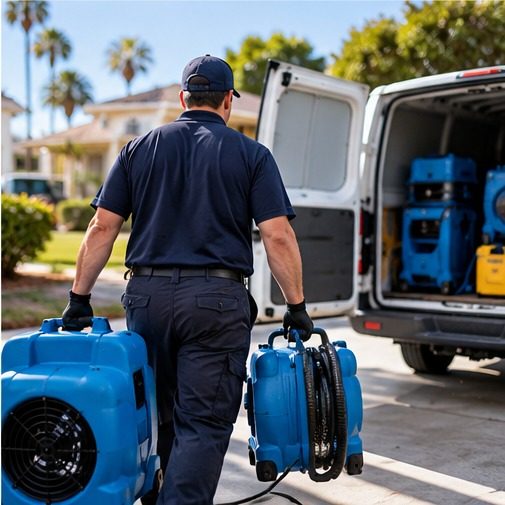
## What Water Damage Restoration Involves Water damage restoration is a sequence of steps rather than a single cleaning task. The correct approach depends on the water source, duration of exposure, affected materials, and whether contamination is present. ### Finding the Source The water source must be stopped or controlled before effective restoration can proceed. Plumbing repairs may require a licensed plumber, while roof or exterior leaks may require another qualified trade. ### Assessing Affected Areas Water can spread through flooring, drywall, insulation, and structural cavities. A moisture assessment helps establish the extent of affected materials and informs the cleanup and drying plan. ### Removing Water Standing water and excess moisture should be addressed promptly. Extraction can reduce the amount of water that must later be removed through evaporation and dehumidification. ### Drying and Monitoring Drying conditions vary by material and environment. Appropriate equipment, airflow, humidity control, and moisture measurements can help determine when drying goals have been reached. ### Planning Repairs Some materials can be dried and retained, while others may require removal or replacement. Restoration planning should distinguish between drying work and reconstruction so property owners understand what remains to be completed.
Water damage in a home can interrupt daily routines and affect bedrooms, kitchens, bathrooms, living spaces, and storage areas. Common problems include supply line leaks, overflowing fixtures, washing machine failures, and water entering beneath flooring. The restoration approach depends on how much water entered the property, whether the source has been stopped, and how long the materials have remained wet. The priority is to understand the affected area, remove unwanted water, and develop an appropriate drying and cleanup plan.
Water damage at a business can affect operations, equipment, inventory, and tenant spaces. Office buildings, retail properties, restaurants, and other commercial locations may have complex flooring systems, shared plumbing, and areas that require careful coordination. Commercial restoration planning should account for safety, access, business operations, and the movement of water between rooms or levels. A clear scope of work helps property managers and business owners understand the cleanup process.
Water does not always remain where it first appears. Moisture can travel behind baseboards, beneath flooring, and into wall cavities. Surface drying alone may not address these conditions. A moisture assessment helps identify materials that may require further investigation or drying. Measurements and observations should be interpreted alongside the water source, building construction, and conditions at the property.
Once water has been removed and affected materials assessed, property owners need to understand which steps remain. Drying, cleaning, material removal, plumbing repairs, and reconstruction may involve different scopes of work. A practical recovery plan explains the sequence of activities and identifies issues that require attention from other qualified professionals. Clear expectations make it easier to coordinate the work.
| Service | Estimated Cost | Average |
|---|---|---|
| Water damage assessment | Quote required | Varies by property |
| Water removal | Quote required | Varies by water volume |
| Structural drying | Quote required | Varies by affected materials |
| Cleanup and material removal | Quote required | Varies by damage and contamination |
These are not published company prices. No verified pricing schedule was provided. Actual estimates depend on property conditions, affected area, water category, equipment requirements, and work scope.
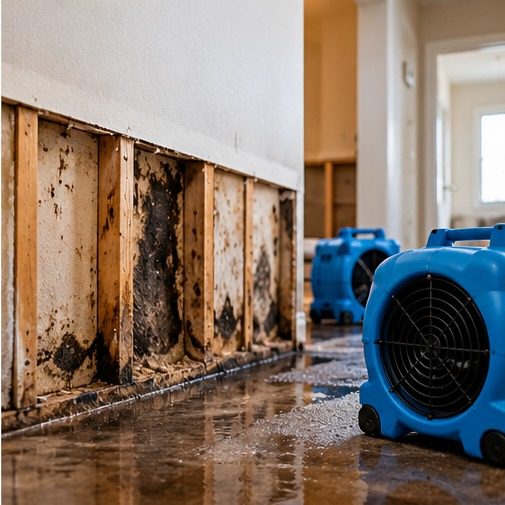
Restoration planning should consider the source of water, affected materials, and remaining moisture rather than visible damage alone.
We aim to make the cleanup and drying process understandable so property owners can make informed decisions.
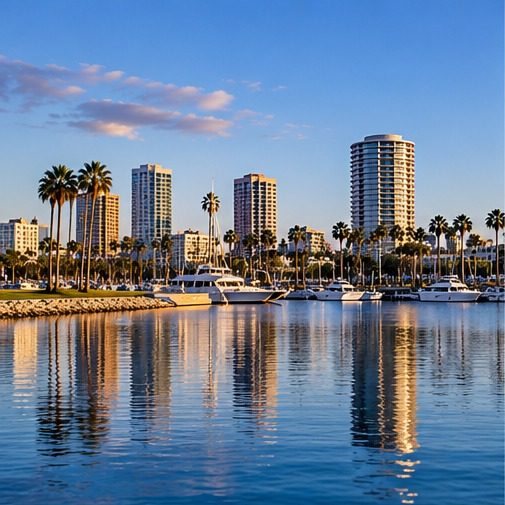
Our service area includes Long Beach and neighboring communities across the local region.
Tell us about your water damage situation in Long Beach or a nearby community.
Free — no obligations
Explain when the water damage started, where it occurred, and whether the water source has been stopped.
Identify visible damage, possible hidden moisture, affected materials, and any safety or contamination concerns.
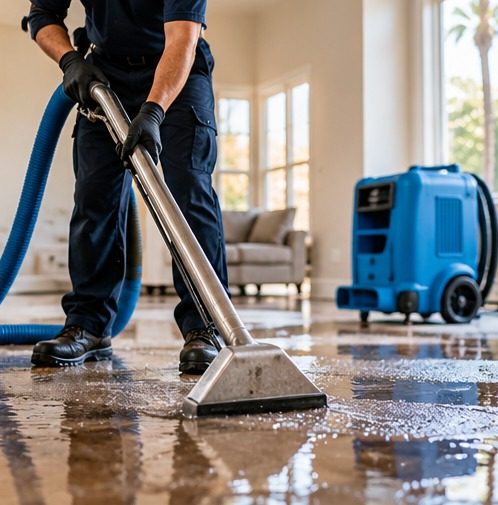
Determine appropriate extraction, cleaning, material handling, and drying activities.
Use suitable moisture measurements and drying goals to evaluate progress.
Identify any additional repairs or reconstruction that may be necessary.