Standing Water Removal
Emergency Water Extraction in Long Beach
Standing water needs prompt attention. Contact us to discuss your situation. Call 9999999999
Standing Water Removal
Standing water needs prompt attention. Contact us to discuss your situation. Call 9999999999
Standing water can quickly spread across flooring, enter adjoining rooms, and soak into materials that are difficult to dry. Emergency water extraction focuses on removing accumulated water so further cleanup and drying can begin. Common causes include broken supply lines, overflowing appliances, plumbing failures, and water entering through openings during heavy rain.
Long Beach Flood Restoration offers emergency water extraction as part of its water damage services. If water is still entering the property, the source should be stopped when it is safe to do so. Avoid electrical hazards and do not enter areas containing sewage or potentially contaminated floodwater without appropriate protection. Contact us to discuss the damage and confirm service availability.
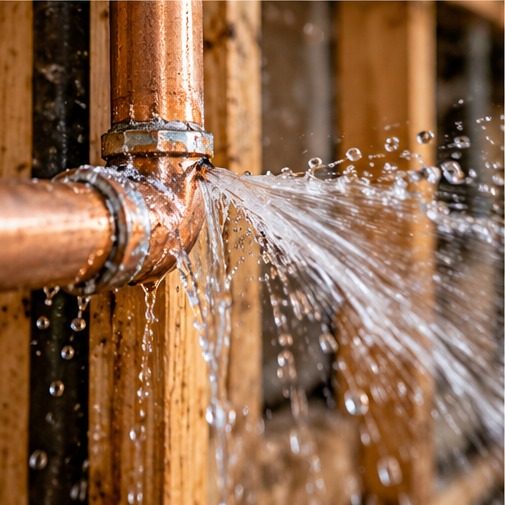
## Removing Water Is the First Major Step Standing water can affect more than the visible floor surface. Water may move beneath cabinets, into wall assemblies, and through seams in flooring. Removing accumulated water helps limit continued absorption and prepares the property for moisture assessment. ### Water From Plumbing Failures Broken supply lines and leaking fixtures can release water into kitchens, bathrooms, bedrooms, and adjoining rooms. Even after the supply is shut off, water may remain trapped beneath flooring and inside wall cavities. ### Appliance Overflows Dishwashers, washing machines, refrigerators, and water heaters can release substantial amounts of water. The extent of damage depends on the volume of water, duration of exposure, and construction materials. ### Water in Carpets and Flooring Carpet, padding, wood flooring, laminate, and subfloors react differently to water exposure. Some materials may be suitable for drying, while others may require removal depending on contamination and damage. ### Water Extraction Equipment Water extraction may involve portable extraction equipment, pumps, or other methods selected for the situation. Equipment selection depends on water depth, access, and site conditions. ### What Happens After Extraction Removing standing water does not necessarily complete the drying process. Remaining moisture may require dehumidification, controlled airflow, and monitoring before repairs can proceed.
Standing water should be removed when it is safe to access the affected area. The method depends on the depth of water, source, and conditions inside the property. Electrical hazards and contamination concerns must be addressed before work begins. Removing bulk water helps reduce the amount of moisture remaining in building materials. Additional inspection and drying may still be needed after the visible water is gone.
Wet carpet and padding can hold considerable moisture. The possibility of drying and retaining these materials depends on the source of water, exposure time, and physical condition. Clean-water incidents may allow different recovery options than sewage backups or outdoor flooding. Contaminated porous materials often require removal rather than simple extraction.
Water on tile, concrete, vinyl, or other hard surfaces may appear easy to remove, but moisture can travel into seams and underlying materials. Some flooring assemblies trap moisture beneath the finished surface. Extraction should be followed by an appropriate assessment of affected flooring and adjacent materials. Surface appearance alone is not a reliable indicator of dryness.
After bulk water removal, the focus shifts to moisture remaining in building materials and indoor air. Drying conditions may require adjustments to airflow, temperature, and humidity. The objective is to reach appropriate drying goals rather than simply running equipment for a fixed number of days. Progress should be evaluated according to actual site conditions.
| Service | Estimated Cost | Average |
|---|---|---|
| Small-area water extraction | Quote required | Varies by volume |
| Multiple-room extraction | Quote required | Varies by affected area |
| Deep standing water removal | Quote required | Varies by access and depth |
Pricing has not been verified. Water depth, contamination, affected area, equipment requirements, and scheduling conditions can affect the estimate.
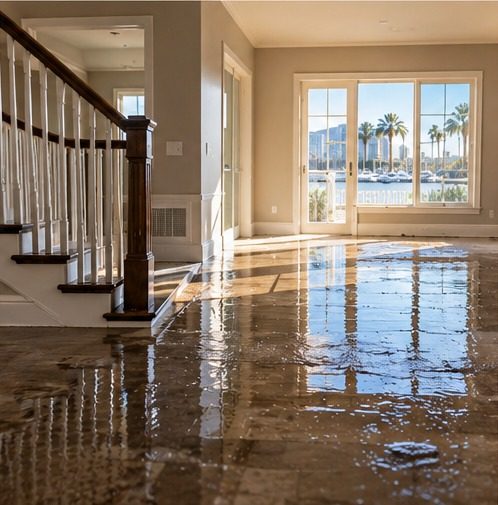
The first concerns are safety, stopping the water source, and addressing accumulated water.
Extraction should be followed by consideration of moisture in floors, walls, and adjoining materials.
We serve Long Beach and surrounding communities, with scheduling confirmed when you contact us.
Standing water in your Long Beach property? Call 9999999999 to discuss the situation and confirm availability.
Free — no obligations
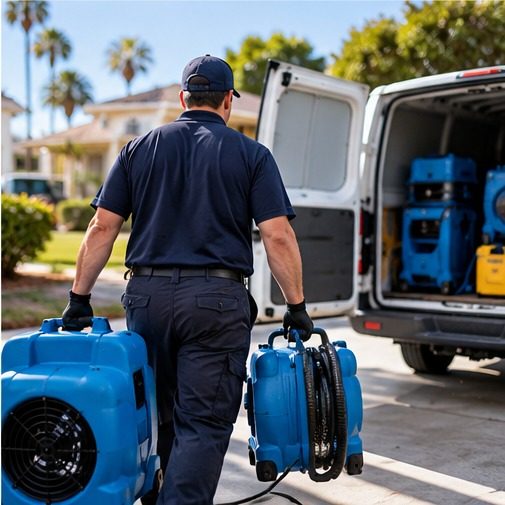
Describe the water source, affected rooms, and current conditions.
Identify electrical hazards, contamination, and other conditions that affect safe access.
Select an appropriate method for removing standing water.
Evaluate materials that may still contain moisture after extraction.
Determine whether additional structural drying or material removal is needed.