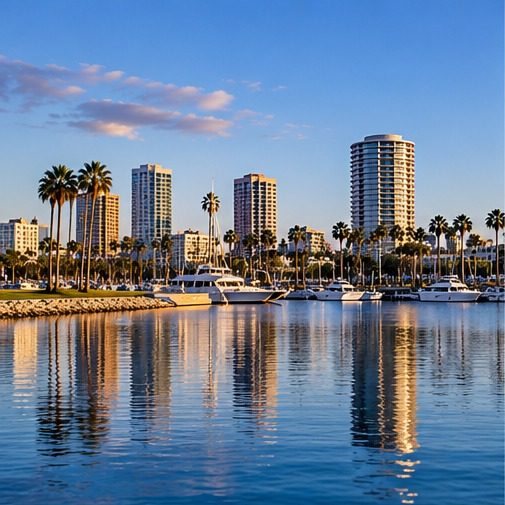
Professional Moisture Control
Structural Drying and Dehumidification in Long Beach
Concerned about moisture after a leak? Request a drying assessment. Get a Free Estimate
Professional Moisture Control
Concerned about moisture after a leak? Request a drying assessment. Get a Free Estimate
Removing standing water is only one part of water damage restoration. Moisture can remain inside drywall, framing, subfloors, insulation, and other materials long after visible water disappears. Structural drying and dehumidification focus on reducing this remaining moisture under controlled conditions.
Long Beach Flood Restoration provides structural drying and dehumidification services for properties affected by plumbing leaks, flooding, and other water incidents. The approach depends on the materials involved, moisture levels, indoor conditions, and whether any contaminated materials must be removed before drying.
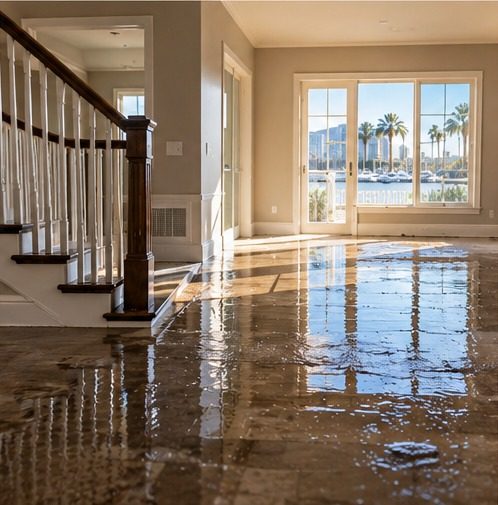
## Understanding Moisture in Building Materials Different materials absorb and release moisture at different rates. Drywall, wood, concrete, and flooring assemblies may require different drying approaches. A material that feels dry at the surface may still contain elevated moisture internally. ### Moisture Assessment Drying begins with understanding which materials are wet and establishing appropriate reference conditions. Moisture measurements help identify affected areas and track changes during the process. ### Air Movement Controlled airflow can support evaporation from suitable wet surfaces. Equipment placement should reflect room conditions, material exposure, and the overall drying strategy. ### Dehumidification As moisture evaporates, humidity can increase inside the affected space. Dehumidification removes moisture from the air and helps maintain conditions that support continued drying. ### Temperature and Environmental Conditions Temperature, ventilation, and outdoor humidity can influence drying. Long Beach's coastal climate may create different drying conditions than those found farther inland. ### Hidden Cavities and Subfloors Wall cavities and flooring assemblies may retain moisture that is not obvious during a visual inspection. Some conditions require additional access or material removal to allow effective drying. ### Drying Verification Drying should be evaluated using moisture measurements and appropriate drying goals. Equipment operating time alone does not confirm that materials are ready for repair.
Drywall and wall cavities can absorb water from plumbing leaks, flooding, and moisture migration. The condition of the materials and source of water determine whether drying or removal is appropriate. A drying plan may require evaluation of baseboards, insulation, framing, and concealed spaces. Contaminated or severely damaged materials may need removal before remaining components can be dried.
Water can travel beneath wood, laminate, vinyl, and other flooring systems. Subfloors may remain wet even when the finished surface looks normal. Drying decisions depend on flooring construction, moisture exposure, and the condition of the materials. Some assemblies can be dried, while others require partial or complete removal.
Dehumidification helps control moisture in the indoor air during structural drying. Equipment selection depends on the affected space, moisture load, and environmental conditions. Humidity control works alongside appropriate airflow and material assessment. The goal is to support drying without creating unsuitable conditions for unaffected areas.
Drying progress should be checked through appropriate measurements and observations. Changes in material moisture and indoor conditions help guide equipment adjustments and completion decisions. A documented drying process can also help property owners understand why certain materials require more time or additional work.
| Service | Estimated Cost | Average |
|---|---|---|
| Moisture assessment | Quote required | Varies by area |
| Dehumidification | Quote required | Varies by equipment and duration |
| Wall and floor drying | Quote required | Varies by materials |
| Moisture monitoring | Quote required | Varies by scope |
No company rates were supplied. Drying costs depend on moisture conditions, equipment requirements, affected materials, and the time needed to meet drying goals.
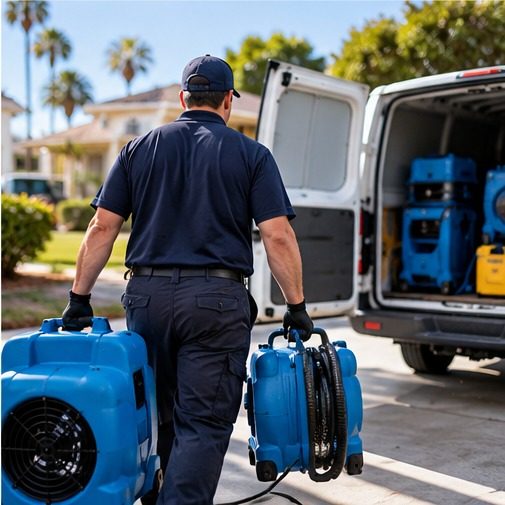
Drying should be based on the materials and actual moisture conditions rather than appearances alone.
Humidity and environmental conditions can affect drying performance in the Long Beach area.
We emphasize evaluating drying progress and explaining when additional work may be necessary.
Worried about moisture trapped in walls or flooring? Request information about structural drying.
Free — no obligations
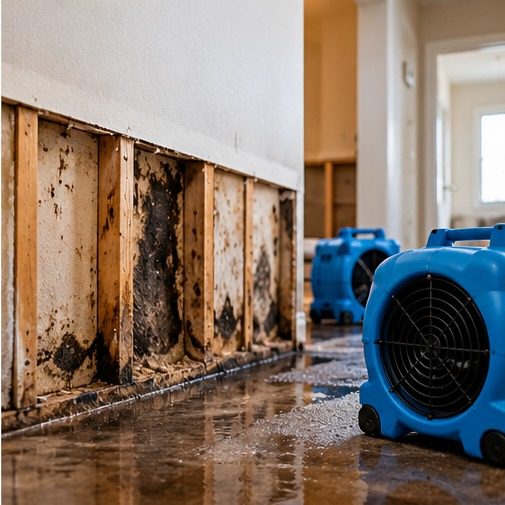
Assess affected surfaces and possible concealed moisture.
Determine appropriate moisture targets based on materials and conditions.
Select suitable airflow and dehumidification methods.
Evaluate moisture readings and environmental conditions during drying.
Determine whether drying goals have been met or further work is needed.